
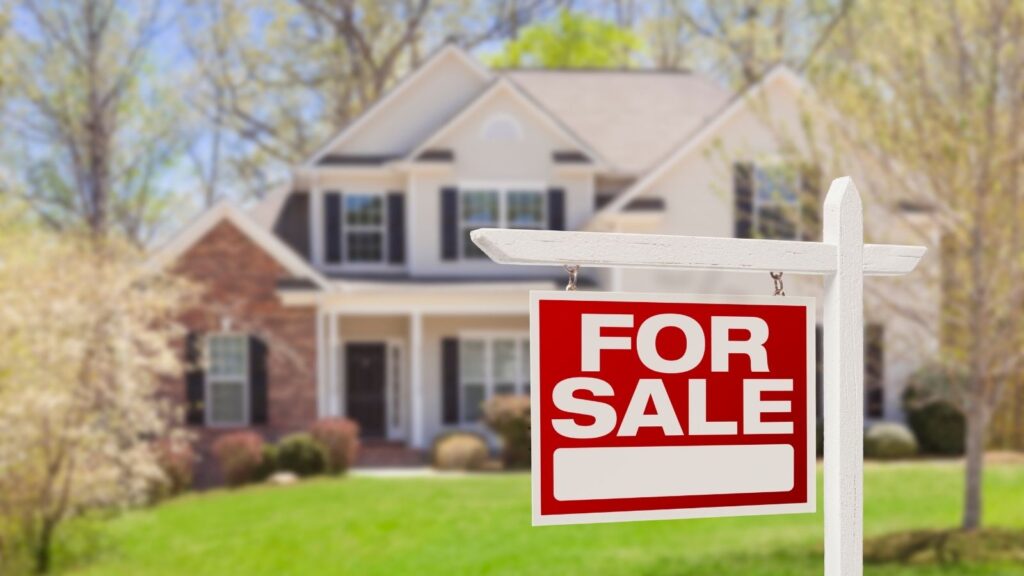
Selling a home is a meaningful step, whether it marks the end of a long chapter or the beginning of a new one. The process can feel complex, but with the right preparation and understanding, it becomes far more manageable. From preparing your home for market to negotiating offers and closing the deal, each stage has its role in creating a successful sale. Knowing what to expect allows you to make informed choices that maximize your home’s value and help you move forward with ease.
Preparing Your Home for the Market
The first step in selling a home is ensuring it looks its best. A well-presented property often attracts more buyers and can even lead to higher offers. Begin with a thorough cleaning, paying special attention to kitchens and bathrooms, which tend to be focal points for buyers. Decluttering is just as important. Removing personal items helps potential buyers envision the space as their own, creating a stronger emotional connection.
Small updates can make a lasting impact. Fresh paint in neutral colors, updated light fixtures, or new cabinet hardware can give a modern feel without a large investment. Curb appeal also matters, as the exterior is the first impression. Trimmed landscaping, a freshly painted front door, and clean walkways set a welcoming tone.
Professional staging can take these efforts further, highlighting the best features of the home and creating a layout that feels both functional and inviting. Whether you do it yourself or hire a professional, the goal is to showcase the home in a way that appeals to the widest pool of buyers. Careful preparation at this stage often reduces the time a home spends on the market and increases the likelihood of receiving competitive offers.
Setting the Right Price
Pricing a home correctly is one of the most critical decisions in the selling process. An asking price that is too high may discourage potential buyers, while one that is too low may result in leaving money on the table. The right price reflects current market conditions, the property’s location, its size, and any unique features it offers.
A comparative market analysis is often used to help determine an appropriate listing price. This involves evaluating recent sales of similar homes in the same neighborhood, factoring in square footage, condition, and upgrades. Market trends also influence pricing. In a seller’s market, where demand outpaces supply, homes often sell quickly and at higher prices. In a buyer’s market, where more homes are available, pricing competitively becomes essential to stand out.
It is important to remember that the listing price sets the stage for negotiations. Buyers frequently expect some room for discussion, so pricing with that in mind can make the process smoother. An experienced real estate professional can provide valuable insights, balancing data with knowledge of local buyer behavior. Setting the right price helps generate interest, creates a sense of urgency among buyers, and often leads to stronger offers.
Marketing Your Property
Once the home is ready and priced, the next step is ensuring it reaches the right audience. Effective marketing is about more than just putting up a sign in the yard. High-quality photography is essential, as most buyers first see listings online. Clear, bright images of every room, along with exterior shots, help make a strong digital impression.
Property descriptions also play a major role. Well-written descriptions highlight key features and benefits, emphasizing aspects such as updated kitchens, outdoor living spaces, or proximity to schools and amenities. Adding floor plans or video tours can give buyers a deeper sense of the home before they visit in person.
Online exposure through multiple listing services and popular real estate platforms ensures your property reaches a wide pool of potential buyers. Social media campaigns, targeted digital ads, and email outreach can further extend visibility. Traditional marketing methods, such as open houses and printed brochures, remain effective in connecting with buyers who prefer a more personal approach. The goal of marketing is to present the home in its best light, build interest, and create opportunities for multiple offers.
Showings and Open Houses
Showings allow buyers to experience the home firsthand, which can be pivotal in their decision-making process. Flexibility is important, as making the home available at convenient times increases the chances of attracting serious buyers. Keeping the home tidy and staged during this period helps maintain a strong impression.
Open houses provide another opportunity to reach potential buyers. They allow multiple people to tour the property in a single day, often creating a sense of competition. Preparing for an open house involves the same steps as private showings, with the added benefit of marketing the event in advance to draw a crowd.
During showings and open houses, it is helpful for homeowners to step out, giving buyers the freedom to explore comfortably. Buyers often picture themselves in the space, and privacy enhances that process. Collecting feedback afterward can also provide insights into how the home is perceived and whether adjustments are needed.
Making showings and open houses as smooth as possible ensures the property is presented in a way that maximizes buyer interest. This phase can require patience, but consistent preparation helps keep momentum strong.
Receiving and Evaluating Offers
When an offer arrives, it represents more than just a price. Offers often include contingencies, such as financing, home inspections, or appraisal requirements. It is important to review each detail carefully, as they can impact both the timeline and the likelihood of the sale closing.
In addition to the purchase price, consider the buyer’s financial strength. Pre-approval letters provide reassurance that the buyer can secure financing. The proposed closing timeline may also affect your decision, especially if you need to coordinate your sale with the purchase of another home.
Sometimes multiple offers may come in, creating opportunities for negotiation. In these cases, reviewing not only the numbers but also the terms is crucial. The highest offer may not always be the strongest if it comes with difficult contingencies. Evaluating offers with professional guidance ensures you make the best decision for your financial and personal goals.
This stage can feel exciting and overwhelming, but a clear understanding of what matters most helps guide you toward the right choice.
Negotiation and Counteroffers
Negotiation is a natural part of the selling process. Buyers may request repairs, ask for closing cost assistance, or propose changes to the timeline. Sellers have the option to accept, decline, or present a counteroffer. Successful negotiation balances flexibility with protecting your best interests.
Counteroffers provide an opportunity to adjust terms without rejecting an offer outright. For example, you might agree to a slightly lower price if the buyer shortens the closing period, or accept the price but decline to cover additional costs. The goal is to find common ground that satisfies both parties.
Having an experienced professional guide you through this stage is invaluable. They can help frame responses strategically, maintain open communication, and prevent emotions from overshadowing practical decisions. Patience is important as well, since back-and-forth discussions are common.
Negotiations ultimately shape the path to closing, and handling them thoughtfully helps secure a deal that works well for everyone involved.
Inspections and Appraisals
After an offer is accepted, inspections and appraisals become key steps. A home inspection provides the buyer with an overview of the property’s condition. Inspectors often examine systems such as plumbing, electrical, heating, and cooling, along with the roof, foundation, and structure. The results may lead to repair requests or negotiations for credits.
An appraisal, on the other hand, determines the home’s value from a lender’s perspective. Appraisers compare your home to recent sales in the area, ensuring the purchase price aligns with market standards. If the appraisal comes in lower than the agreed price, renegotiation may be necessary.
These steps can feel like hurdles, but they also provide reassurance to both buyer and seller. Addressing inspection concerns in good faith and working through appraisal issues with transparency helps keep the sale on track. Once these are completed successfully, the path to closing becomes much clearer.
Legal and Financial Considerations
Beyond the visible steps of preparing, marketing, and negotiating, selling a home involves several legal and financial elements that are just as important. Sellers are generally required to provide disclosure statements that outline known issues with the property. These might include details about the roof’s age, past water damage, or the presence of lead-based paint. Being transparent helps protect you legally and builds trust with buyers.
Title work is another critical piece. A title company will ensure there are no liens, disputes, or ownership claims that could prevent the sale from moving forward. If issues arise, they need to be resolved before closing. In addition, sellers should prepare for tax considerations, such as capital gains taxes, depending on the duration of ownership and the profit earned from the sale.
Financial planning at this stage is important. Understanding how much equity you will receive, how it will cover your next purchase or relocation expenses, and what you may owe in closing costs helps you plan ahead. Consulting with professionals, such as real estate attorneys, financial advisors, or tax specialists, can provide clarity and confidence. These behind-the-scenes steps ensure that the sale is secure, compliant, and beneficial for your long-term financial picture.
Preparing for Your Next Move
While the focus is often on selling the current property, planning ahead for the transition into your next home is just as important. Timing plays a key role, especially if you are buying another property. Coordinating the closing dates of both transactions can minimize stress and reduce the need for temporary housing.
Organizing your move early makes the process smoother. Start by sorting belongings to decide what to take with you and what to donate or sell. This not only lightens the load but also reduces moving costs. Research moving companies in advance, compare quotes, and secure a booking once you have a closing timeline. If you plan to move yourself, arranging rental trucks or storage solutions ahead of time is essential.
It can also be helpful to prepare emotionally for the transition. Leaving a home often brings mixed feelings, especially if it holds years of memories. Focusing on the opportunities ahead and creating a plan for settling into the new space makes the change easier. Preparing for your next move while selling your current home keeps the process organized and ensures that when the keys change hands, you are ready for the next chapter.
Closing the Sale
Closing is the final stage, where ownership officially transfers to the buyer. The process involves signing documents, settling financial obligations, and recording the transaction with the appropriate authorities. Sellers typically handle costs such as agent commissions, transfer taxes, and any agreed-upon credits.
Before closing, the buyer usually completes a final walkthrough to confirm the property’s condition matches expectations. Any agreed-upon repairs should be complete by this point. On closing day, funds are transferred, keys are handed over, and the sale is finalized.
This stage may feel administrative, but it represents the successful completion of the entire process. A smooth closing is the result of careful planning and cooperation at every earlier stage. Once finished, sellers can look forward to the next chapter with confidence.
Moving Forward
Selling a home is both an emotional and financial event, one that benefits from preparation, strategy, and guidance. From the first step of preparing the property to the final moments of signing documents, each stage builds toward a successful outcome. If you are considering selling your home, reach out to discuss the process and the next steps. With the right approach, you can achieve your goals and move forward with clarity and peace of mind.