
Chicago Suburbs: A Welcoming Look at Life Beyond the City
The Chicago suburbs provide a wonderful balance between urban energy and suburban comfort. Just beyond the city limits, you will find communities that blend small-town charm with access to the resources of one of the nation’s largest metropolitan areas. Families appreciate the quality schools and abundant parks, professionals value the easy commute options, and residents of all ages enjoy the dining, shopping, and cultural amenities. Each suburb has its own personality, yet together they form a vibrant network of neighborhoods that surround Chicago with opportunity and warmth.
History of the Chicago Suburbs
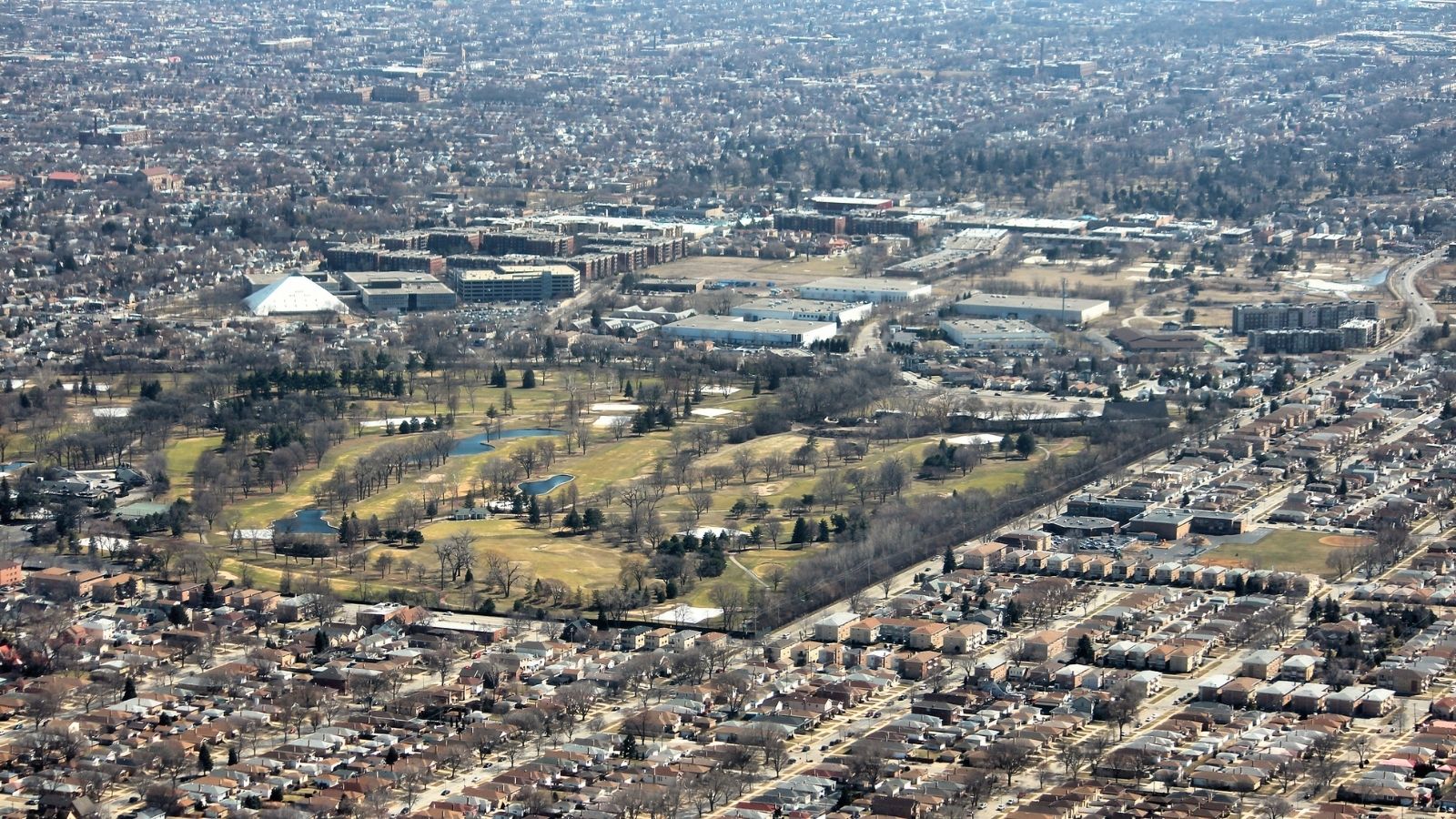
The development of Chicago’s suburbs began in the mid-19th century, closely tied to the city’s rapid growth as a transportation hub. The expansion of the railroads played a major role, as towns along rail lines became early commuter communities. Suburbs such as Oak Park, Evanston, and Riverside gained prominence as places where residents could enjoy larger homes and green spaces while still working in Chicago.
During the early 20th century, architectural innovation shaped many of these communities. Frank Lloyd Wright, who lived in Oak Park, influenced residential design with his Prairie School style. Meanwhile, industrial and commercial development attracted workers to suburban areas, fueling growth. Many suburbs developed distinct identities during this time, with historic downtowns, civic centers, and strong community organizations that still define them today.
The post-World War II era brought a surge of suburban expansion. Returning veterans and their families sought homes outside the crowded city, and new subdivisions offered affordable housing options. Shopping malls, schools, and recreational facilities followed, creating self-sufficient communities. This period also introduced the era of the automobile commuter, changing the way residents connected to Chicago.
Today, the Chicago suburbs continue to evolve. Many towns have revitalized their downtown areas, expanded cultural offerings, and invested in infrastructure. The suburban landscape reflects a mix of historic neighborhoods, modern developments, and thriving commercial districts that attract both long-time Chicagoans and newcomers. The suburbs tell the story of a region that has continually adapted while maintaining a sense of community and place.
Homes for Sale
Lifestyle in Chicago’s Suburbs
Life in the Chicago suburbs offers an appealing blend of convenience, recreation, and community spirit. Residents enjoy a slower pace than the city while still being close enough to take advantage of Chicago’s world-class attractions. Outdoor recreation is plentiful, with hundreds of parks, forest preserves, and trails for biking, hiking, and birdwatching. Lake Michigan provides opportunities for boating, fishing, and waterfront leisure, particularly in towns along the North Shore.
Dining and shopping are highlights in many suburbs. From family-owned diners to upscale restaurants, the culinary scene is diverse and inclusive of global flavors. Downtown areas like Naperville, Evanston, and Arlington Heights are known for walkable shopping districts filled with boutiques, cafes, and entertainment venues. Seasonal farmers’ markets bring fresh produce and artisan goods to neighborhoods, reinforcing community connections and supporting local businesses.
Cultural activities thrive as well. Suburban theaters, music festivals, and art centers provide year-round entertainment. Communities such as Oak Park celebrate architectural heritage, while Aurora hosts one of the region’s premier performing arts venues. Many suburbs host annual summer festivals, art fairs, and holiday parades, fostering traditions that residents look forward to each year.
Sports are another central aspect of life, with youth leagues, high school competitions, and fitness clubs encouraging active living. From hockey rinks to golf courses, opportunities for recreation are plentiful. Several suburbs also feature large waterparks, aquatic centers, and athletic complexes that serve as gathering points for families.
Community involvement is strong, with local events ranging from summer parades to charity walks. Residents take pride in volunteer organizations, libraries, and civic clubs that bring people together. The sense of belonging and neighborly connection is one of the greatest appeals of suburban living around Chicago.
Neighborhoods of the Chicago Suburbs
The suburbs surrounding Chicago each carry a unique identity, giving potential homeowners a wide range of options to fit their lifestyle. Whether you prefer historic charm, lakefront views, or master-planned communities, there is a suburb to match your vision of home.
Naperville: Known for its highly rated schools and vibrant downtown, Naperville frequently ranks among the best places to live in the United States. The Riverwalk is a focal point of community life, offering a scenic setting for festivals, walking paths, and family gatherings. Its combination of excellent housing, amenities, and cultural events attracts families and professionals alike.
Evanston: Just north of Chicago, Evanston combines urban convenience with suburban charm. Home to Northwestern University, the town has a youthful energy with cultural offerings, diverse dining, and lakefront recreation. Its historic homes and tree-lined streets provide a picturesque backdrop for residential living.
Oak Park: Oak Park is celebrated for its historic architecture, including numerous homes designed by Frank Lloyd Wright. The community values cultural life, with theaters, galleries, and local shops enriching daily experiences. Its proximity to Chicago makes commuting simple while maintaining a strong neighborhood feel.
Aurora: As one of Illinois’ largest cities, Aurora has a strong identity with a rich cultural scene. It features the Paramount Theatre, family-friendly parks, and the Fox River for outdoor recreation. Affordable housing options and diverse neighborhoods make Aurora attractive to a wide range of residents.
Hinsdale: Known for its elegance and charm, Hinsdale offers beautiful homes, excellent schools, and a close-knit community atmosphere. Downtown Hinsdale features boutique shopping and dining, and the town is highly regarded for its tree-lined streets and preserved historic areas.
Together, these suburbs showcase the variety and character of the greater Chicago area. Each provides its own advantages, whether you are looking for a family-oriented neighborhood, a lively college town, or an upscale retreat.
Education in the Chicago Suburbs
Education is a cornerstone of suburban life, with many communities known for outstanding schools. Public school districts such as Naperville Community Unit District 203, Hinsdale Township High School District 86, and Evanston Township High School District 202 consistently receive high marks for academic excellence and extracurricular opportunities. These schools often feature advanced placement courses, strong athletic programs, and a wide array of clubs and activities. High school sports often serve as community events, drawing residents together to support their local teams.
Private and parochial schools add further options for families seeking specific learning environments. Institutions such as Benet Academy in Lisle, Loyola Academy in Wilmette, and Fenwick High School in Oak Park are respected for rigorous academics and strong alumni networks. Faith-based education, Montessori programs, and STEM-focused academies provide families with specialized approaches to learning.
Higher education opportunities are abundant. Northwestern University in Evanston provides world-renowned programs in business, journalism, law, and the sciences. Benedictine University in Lisle, Elmhurst University, and North Central College in Naperville offer a broad range of undergraduate and graduate programs. Community colleges, including College of DuPage in Glen Ellyn, Harper College in Palatine, and Moraine Valley Community College in Palos Hills, provide accessible pathways to higher learning and workforce training.
Educational enrichment extends beyond traditional schools. Many suburbs are home to language academies, music conservatories, and art schools that help students explore their passions. Libraries host educational workshops, literacy programs, and technology training, while park districts offer classes ranging from cooking to robotics. Museums such as the DuPage Children’s Museum and the Kohl Children’s Museum encourage hands-on learning for younger children.
Parents and community members play an active role in supporting schools through parent-teacher associations, booster clubs, and local foundations. This collaboration enhances the educational experience and ensures students have access to the resources they need to thrive. In the Chicago suburbs, education is truly a community effort, with opportunities available for learners at every stage of life.
Climate in the Chicago Suburbs
The Chicago suburbs experience four distinct seasons, offering a variety of weather throughout the year. On average, the region sees around 189 sunny days, 39 inches of rainfall, and 35 inches of snowfall annually.
Spring brings a welcome change with temperatures rising from the 50s into the 70s. Flowers bloom in parks and gardens, and communities host farmers’ markets and outdoor festivals. Occasional showers keep landscapes lush and green.
Summer is warm, with highs averaging in the 80s. Residents take advantage of the pleasant weather by attending outdoor concerts, enjoying local pools, and spending time in forest preserves. Lake Michigan is a favorite destination for cooling off.
Autumn delivers crisp air and colorful foliage. Temperatures range from the 50s to 70s, creating an ideal atmosphere for pumpkin festivals, apple picking, and high school football games.
Winter is cold, with temperatures often in the 20s and 30s. Snowfall creates opportunities for sledding, ice skating, and cozy evenings indoors. While the cold can be brisk, communities are well-prepared with winter activities and holiday celebrations.
The changing seasons enhance suburban life, providing variety and opportunities for year-round enjoyment.
Transportation in the Chicago Suburbs
Transportation is one of the strengths of suburban life, with multiple options for commuting and travel. The extensive highway network, including Interstates 90, 94, 290, and 355, connects suburbs to the city and to one another. These roadways make driving convenient for work, shopping, and recreation. Expressways such as the Tri-State Tollway and Eisenhower Expressway play crucial roles in regional movement, although rush hour traffic can be heavy.
Public transit is another key feature. Metra commuter rail lines link dozens of suburbs to downtown Chicago, making daily commuting practical and efficient. Each Metra line connects to different parts of the city, with stations often serving as community hubs surrounded by cafes, retail shops, and parking facilities. For those who work in Chicago’s Loop, Metra provides a reliable alternative to highway commuting. Pace suburban bus service covers additional routes, including connections to business parks and shopping centers, while the CTA extends into nearby communities such as Oak Park and Evanston.
Air travel is highly accessible. O’Hare International Airport on the northwest side and Midway International Airport on the southwest side are both within reach of most suburbs, offering domestic and international flights. Smaller airports such as DuPage Airport in West Chicago and Chicago Executive Airport in Wheeling serve regional and private flights. This makes business travel and leisure trips convenient for suburban residents.
Biking and walking are encouraged through local trails and pathways, many of which connect to forest preserves and parks. The Illinois Prairie Path and Fox River Trail are two popular routes that weave through suburban landscapes. Suburbs such as Naperville and Schaumburg have invested in pedestrian-friendly downtown areas, promoting active lifestyles and reducing reliance on cars.
Future infrastructure projects continue to improve connectivity. Ongoing road expansions, train station updates, and bike path additions are designed to support population growth and make suburban living even more accessible. Together, highways, rail, bus, air travel, and bike routes ensure that suburban residents remain well-connected to Chicago and beyond.
Living in the Chicago Suburbs
The suburbs of Chicago provide a welcoming environment for individuals and families seeking the right balance of opportunity, comfort, and community. With diverse neighborhoods, strong schools, recreational opportunities, and reliable transportation, the area continues to attract those who want to enjoy suburban living without giving up the benefits of a major city nearby.
If you are considering making the move to the Chicago suburbs, reach out when you are ready to find a home that matches your needs. With so many choices available, there is a perfect community waiting for you.